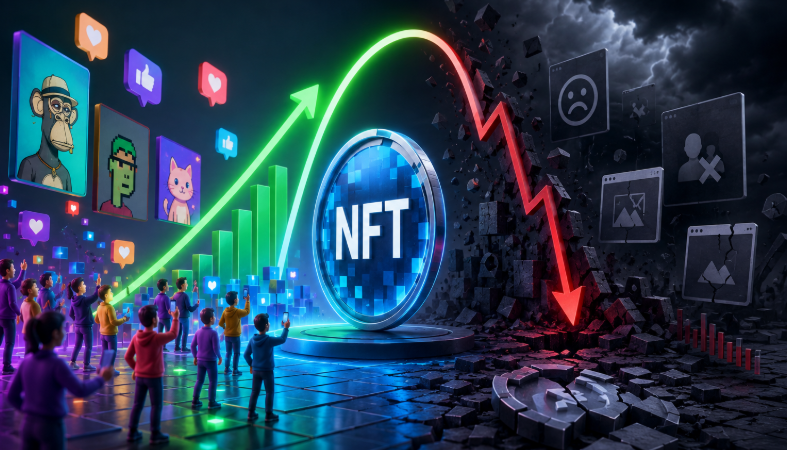
NFT Legal Strategy: Why Projects Fail Without It
The rapid growth of blockchain technology has created new opportunities for digital creators, developers, and entrepreneurs. Non-fungible tokens, commonly known as NFTs, allow individuals to tokenize digital art, collectibles, gaming assets, and even intellectual property. However, many projects launch quickly without addressing regulatory compliance. Because of this oversight, an NFT legal strategy has become essential for protecting both creators and investors.
While innovation drives the NFT industry, legal frameworks continue evolving worldwide. Governments and financial regulators increasingly examine digital assets and blockchain markets. Projects that ignore legal considerations may face compliance issues, lawsuits, or operational shutdowns.
Developing a clear NFT legal strategy helps projects navigate regulations, protect intellectual property, and build long-term credibility within the blockchain ecosystem.
Why Legal Planning Matters in NFT Projects
NFT ecosystems often combine elements of technology, finance, and intellectual property. This combination creates unique legal challenges.
Creators may focus heavily on product development or marketing campaigns. However, ignoring regulatory requirements can cause significant problems later.
Legal frameworks vary between countries, and some jurisdictions classify certain digital assets as securities.
Without preparation, projects may unknowingly violate financial regulations or intellectual property laws.
Establishing a strong NFT legal strategy early allows teams to identify potential compliance risks and build safer operational structures.
Rapid Industry Growth and Regulation
The NFT industry expanded rapidly over the past few years. Platforms now support digital art sales, gaming economies, and tokenized ownership models.
As adoption grows, governments continue developing policies for blockchain technologies.
Regulators often focus on consumer protection, financial transparency, and anti-fraud enforcement.
Projects that fail to prepare for regulatory oversight may encounter unexpected legal complications.
Therefore, understanding regulatory trends forms a key component of an effective NFT legal strategy.
Intellectual Property Protection
Intellectual property remains one of the most important legal issues in NFT markets.
Digital artwork, music, videos, and branded assets often serve as the foundation of NFT collections.
However, confusion frequently arises regarding ownership rights.
Purchasing an NFT typically grants ownership of the token itself, not the underlying copyright.
Clear licensing agreements help clarify these distinctions.
Implementing intellectual property protections strengthens an NFT legal strategy while reducing disputes between creators and collectors.
Copyright and Licensing Structures
Creators must determine what rights NFT buyers receive.
Some projects grant only personal display rights. Others allow commercial use or derivative works.
Without written licensing terms, misunderstandings may occur between creators and collectors.
Transparent licensing agreements protect both parties.
Including these agreements within project documentation supports a strong NFT legal strategy and promotes long-term trust.
Regulatory Compliance and Securities Laws
Regulators often examine whether certain NFTs function as investment products.
If tokens promise financial returns or profit sharing, authorities may classify them as securities.
Securities regulations impose strict requirements on issuers and marketplaces.
Failure to comply may lead to financial penalties or legal action.
Therefore, projects must carefully evaluate token structures.
Developing a compliant NFT legal strategy ensures that projects avoid regulatory violations and operate within legal frameworks.
Token Utility and Economic Design
The purpose of an NFT influences how regulators evaluate the asset.
Utility-based NFTs provide access to services, communities, or experiences.
However, tokens designed primarily for investment speculation may attract regulatory attention.
Project teams must carefully define token functionality.
Clear utility descriptions support a compliant NFT legal strategy and reduce legal ambiguity.
Consumer Protection and Transparency
Consumer protection laws aim to prevent misleading marketing practices.
NFT projects often rely heavily on promotional campaigns and influencer partnerships.
However, exaggerated claims about future value or guaranteed returns may violate consumer protection regulations.
Transparency helps build credibility while protecting projects from legal disputes.
Providing accurate information about risks, ownership rights, and platform functionality supports a responsible NFT legal strategy.
Clear Project Documentation
Successful NFT projects publish comprehensive documentation for their communities.
Whitepapers, terms of service, and licensing agreements explain how the ecosystem operates.
These documents outline user rights, project goals, and technical processes.
Transparent communication reduces confusion among collectors and investors.
Including clear documentation strengthens an NFT legal strategy and improves long-term project credibility.
Anti-Money Laundering and Compliance Requirements
Blockchain transactions allow fast and borderless transfers of digital assets. While this feature supports innovation, it also raises regulatory concerns.
Authorities monitor financial platforms to prevent money laundering and illicit activities.
Some NFT marketplaces now implement identity verification procedures.
Projects operating large marketplaces may need to follow financial compliance standards.
Integrating these safeguards strengthens an NFT legal strategy and protects platforms from regulatory investigations.
Know Your Customer Policies
Know Your Customer procedures verify the identity of platform users.
These policies help prevent fraud and suspicious financial activity.
Although some blockchain communities prefer anonymity, regulatory compliance may require identity verification.
Projects must balance privacy concerns with regulatory obligations.
Implementing responsible verification processes enhances NFT legal strategy frameworks and improves platform security.
Smart Contract Legal Considerations
Smart contracts automate transactions within NFT ecosystems.
These blockchain-based programs manage token minting, transfers, and royalty payments.
Although smart contracts operate automatically, they still carry legal implications.
Errors within code may create financial disputes or unintended consequences.
Therefore, legal review and technical audits remain important steps.
Combining technical testing with legal evaluation strengthens an NFT legal strategy and reduces operational risks.
Royalty Structures and Creator Rights
NFT marketplaces often include royalty mechanisms for creators.
These systems allow artists to receive payments whenever tokens are resold.
However, royalty enforcement varies across marketplaces.
Legal agreements may help support royalty claims if disputes occur.
Designing enforceable royalty frameworks strengthens an NFT legal strategy while protecting creator revenue.
Jurisdiction and International Regulations
NFT projects often operate globally, attracting users from multiple countries.
Different jurisdictions apply varying regulations to digital assets.
For example, some countries classify NFTs as collectibles, while others treat certain tokens as financial instruments.
Projects must evaluate where they operate and which laws apply.
International legal awareness plays a major role in developing an effective NFT legal strategy.
Choosing the Right Legal Jurisdiction
Many blockchain startups select jurisdictions with clear digital asset regulations.
These regions often provide supportive environments for innovation.
However, regulatory clarity remains essential.
Choosing an appropriate legal structure strengthens an NFT legal strategy and reduces operational uncertainty.
Building Long-Term Trust in NFT Ecosystems
Trust remains essential for any successful digital economy.
Collectors and investors prefer platforms that operate transparently and responsibly.
Projects that ignore legal obligations may lose credibility quickly.
In contrast, legally compliant platforms attract stronger communities and long-term participation.
Developing a responsible NFT legal strategy helps projects demonstrate professionalism and reliability.
Community Confidence and Project Sustainability
Communities play a critical role in NFT success.
Collectors often invest not only in digital assets but also in the long-term vision of the project.
Legal clarity helps communities feel secure when participating in NFT ecosystems.
Strong governance structures further reinforce trust.
By prioritizing compliance and transparency, projects enhance their NFT legal strategy while supporting sustainable growth.
Conclusion
NFT technology continues transforming digital ownership and creative economies. Artists, developers, and entrepreneurs now have new ways to monetize digital content and build online communities.
However, innovation alone cannot guarantee success. Legal challenges, regulatory uncertainty, and intellectual property disputes may threaten poorly planned projects.
Developing a clear legal framework allows teams to protect their work while ensuring regulatory compliance. From intellectual property rights to consumer protection and financial regulations, legal preparation plays a crucial role in sustainable project development.
A well-designed NFT legal strategy helps projects reduce risk, build trust, and operate confidently in the evolving blockchain ecosystem. As the industry matures, legal planning will remain essential for long-term NFT success.
FAQ
- Why do NFT projects need legal planning?
Legal planning helps projects comply with regulations, protect intellectual property, and avoid costly legal disputes. - Do NFT buyers own the underlying artwork?
Usually, buyers own the token itself, while copyright remains with the creator unless licensing terms specify otherwise. - Can NFTs be classified as securities?
Some tokens may be treated as securities if they promise financial returns or investment profits. - What role do smart contracts play in NFT ecosystems?
Smart contracts automate transactions, manage royalties, and control digital asset transfers. - How can NFT projects build trust with collectors?
Transparent documentation, legal compliance, and clear licensing agreements help strengthen community confidence.