
Portfolio Security Threats: Detect Risks Before Losses
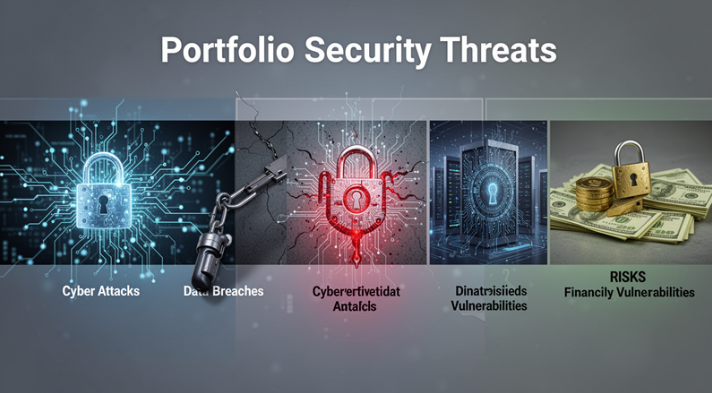
Investing offers opportunities for long-term financial growth. However, every investment also carries risk. Market volatility, cybercrime, fraud, and poor asset management can all create challenges for investors. Because of these factors, identifying portfolio security threats early has become essential for protecting financial assets.
Investors often focus heavily on potential profits. Yet protecting existing assets remains just as important as generating returns. Unexpected threats can quickly damage portfolio value if they remain undetected.
Early detection helps investors take corrective action before problems escalate. Through careful monitoring and risk management, investors can reduce exposure to financial loss.
Understanding portfolio security threats allows individuals to strengthen investment strategies while improving overall portfolio resilience.
Why Portfolio Security Matters
Financial markets move quickly. New investment opportunities appear daily, and technology continues transforming financial systems.
Although these innovations create opportunities, they also introduce new vulnerabilities. Fraudulent schemes, cyberattacks, and poorly managed assets may threaten investment portfolios.
Investors who overlook risk management often discover problems only after financial damage occurs.
Therefore, monitoring portfolio security threats helps investors maintain control over their assets and respond quickly when potential issues appear.
Growing Complexity of Modern Investments
Modern portfolios often contain diverse asset types.
Stocks, bonds, real estate investments, cryptocurrencies, and digital assets all behave differently within financial markets.
Managing multiple asset classes increases portfolio complexity.
Each category introduces its own potential risks and vulnerabilities.
Because of this complexity, identifying portfolio security threats requires consistent monitoring and careful evaluation of portfolio performance.
Common Types of Portfolio Security Threats
Investors may encounter several types of threats that affect portfolio stability.
Market volatility represents one of the most common challenges. Sudden economic events may cause asset prices to decline rapidly.
Cybersecurity risks also affect investors who use online platforms to manage assets.
Additionally, fraudulent investment schemes sometimes target inexperienced investors.
Understanding these risks helps investors recognize portfolio security threats before they escalate.
Fraud and Investment Scams
Fraudulent schemes remain a major concern within financial markets.
Scammers often promote unrealistic investment opportunities that promise extremely high returns.
These schemes typically collapse once investors deposit funds.
Recognizing warning signs can help investors avoid costly mistakes.
Researching investment opportunities thoroughly reduces exposure to portfolio security threats related to financial fraud.
Monitoring Portfolio Performance
Regular portfolio monitoring allows investors to detect unusual activity or performance changes.
For example, sudden price movements may indicate underlying issues affecting specific investments.
Additionally, monitoring transaction history helps identify unauthorized account activity.
By reviewing portfolio performance regularly, investors gain valuable insights into potential risks.
Active monitoring therefore plays an important role in managing portfolio security threats effectively.
Using Portfolio Tracking Tools
Modern technology provides several tools that simplify investment monitoring.
Portfolio tracking applications allow investors to view asset allocations, price changes, and performance trends in real time.
These tools highlight unusual movements that may require investigation.
Additionally, automated alerts notify investors when asset prices change significantly.
Using digital tools strengthens the ability to detect portfolio security threats quickly.
Risk Management Strategies
Risk management helps investors protect portfolios from potential losses.
Diversification represents one of the most effective strategies.
Spreading investments across different asset classes reduces the impact of individual asset declines.
In addition, setting stop-loss limits can prevent excessive losses during volatile market conditions.
Applying structured risk management improves portfolio resilience and reduces portfolio security threats.
Asset Allocation Planning
Asset allocation determines how funds are distributed across investments.
Balanced allocations reduce dependence on any single asset or sector.
For example, combining equities with bonds or real estate investments often improves stability.
Reviewing allocations regularly ensures portfolios remain aligned with financial goals.
Effective asset allocation strengthens protection against portfolio security threats and market volatility.
Cybersecurity and Digital Asset Protection
Online investment platforms offer convenience and accessibility. However, they also introduce cybersecurity risks.
Hackers may attempt to access financial accounts through phishing attacks or stolen credentials.
If successful, attackers could transfer funds or manipulate account settings.
Protecting digital accounts therefore plays a vital role in preventing portfolio security threats.
Strengthening Account Security
Investors should implement strong security practices when managing financial accounts.
Using complex passwords reduces the risk of unauthorized access.
Multi-factor authentication provides an additional layer of protection.
Regularly updating passwords also helps maintain account security.
These precautions significantly reduce portfolio security threats associated with cybercrime.
Analyzing Market Signals
Market signals often reveal potential risks before they affect portfolio performance.
Economic indicators, interest rate changes, and industry developments may influence asset prices.
Investors who follow these signals can adjust their strategies accordingly.
For instance, declining industry performance may indicate the need to reduce exposure.
Understanding market conditions helps investors anticipate portfolio security threats related to economic trends.
Economic and Industry Trends
Economic conditions influence nearly every investment market.
Inflation, employment trends, and government policies often affect asset performance.
Industry-specific developments may also change market expectations.
Investors who monitor these indicators can respond more effectively to potential risks.
Analyzing trends therefore helps identify portfolio security threats before they affect portfolio value.
Behavioral Risks in Investing
Investor behavior sometimes creates additional portfolio risks.
Emotional decision-making can lead to impulsive buying or selling.
Fear during market downturns may cause investors to sell assets prematurely.
Conversely, excessive optimism during market rallies may encourage risky investments.
Maintaining disciplined strategies reduces behavioral mistakes and limits portfolio security threats.
Avoiding Emotional Decisions
Emotional reactions often amplify financial losses.
Investors who panic during market volatility may exit positions at unfavorable prices.
Instead, maintaining structured investment plans improves long-term results.
Setting clear investment goals and risk limits supports rational decision-making.
These practices help investors minimize portfolio security threats related to emotional trading.
Continuous Portfolio Evaluation
Investment portfolios evolve over time as markets change and financial goals shift.
Regular evaluation ensures that portfolios remain aligned with long-term strategies.
During these evaluations, investors can review performance, risk exposure, and diversification levels.
Identifying weaknesses early allows investors to adjust their strategies.
Continuous evaluation strengthens protection against portfolio security threats.
Scheduled Portfolio Reviews
Many investors conduct portfolio reviews quarterly or annually.
These reviews provide opportunities to rebalance allocations and reassess risk tolerance.
Adjusting portfolios regularly helps maintain stability and long-term growth potential.
Structured reviews also help detect emerging portfolio security threats before they cause major losses.
Developing a Proactive Security Mindset
Preventing financial risks requires proactive thinking.
Investors should remain aware of potential vulnerabilities and adopt preventive strategies.
Staying informed about financial trends and security practices improves investment decision-making.
Additionally, learning from past experiences helps investors refine future strategies.
Developing a proactive mindset helps individuals identify portfolio security threats earlier.
Education and Awareness
Financial education empowers investors to make better decisions.
Understanding investment principles, risk management techniques, and security practices improves overall portfolio protection.
Educational resources, financial advisors, and market research can all support informed investing.
Greater knowledge reduces vulnerability to portfolio security threats while strengthening financial confidence.
Conclusion
Protecting investments requires more than selecting promising assets. Investors must also remain vigilant about potential risks that may affect portfolio stability.
Financial markets, technological systems, and investor behavior all influence portfolio performance. By monitoring investments regularly and implementing strong security practices, investors can identify potential threats before significant damage occurs.
Early detection allows investors to respond quickly and protect their financial resources. Through diversification, cybersecurity measures, and disciplined decision-making, investors strengthen their ability to manage uncertainty.
Understanding and monitoring portfolio security threats empowers investors to maintain stable portfolios while pursuing long-term financial growth.
FAQ
- What are the most common risks that threaten investment portfolios?
Market volatility, fraud, cybersecurity breaches, and poor diversification often create financial risks. - How can investors monitor portfolio performance effectively?
Using portfolio tracking tools and reviewing investments regularly helps detect unusual activity. - Why is diversification important for protecting investments?
Diversification spreads risk across multiple assets, reducing the impact of individual losses. - How can investors protect digital investment accounts?
Strong passwords, multi-factor authentication, and regular account monitoring improve security. - What role does financial education play in risk management?
Education helps investors recognize warning signs, evaluate opportunities carefully, and avoid costly mistakes.